Elfin Lore
Everything you need to know about elves, Elf Academy, and the magic that holds it all together.


What is an Elf, Exactly?
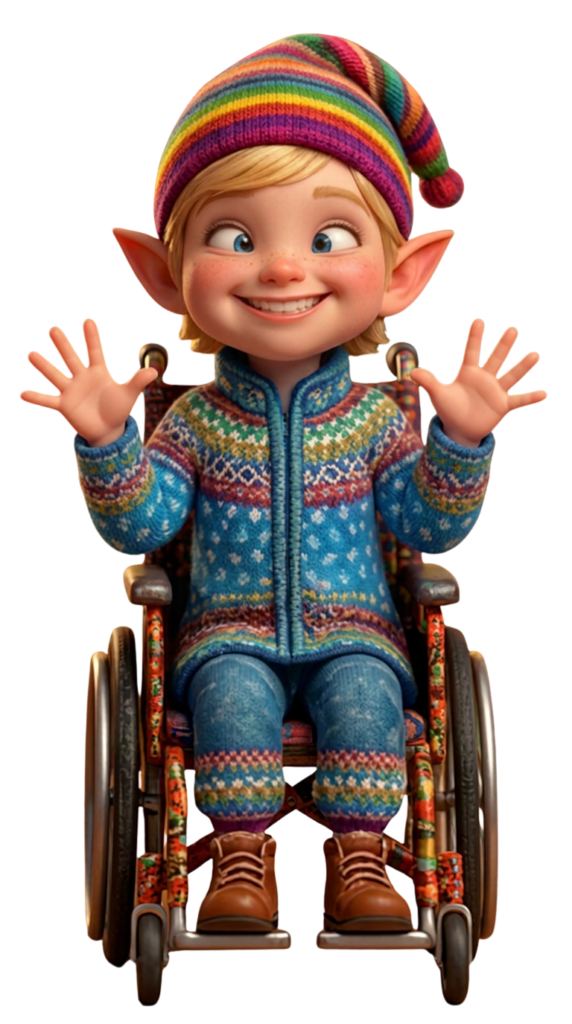
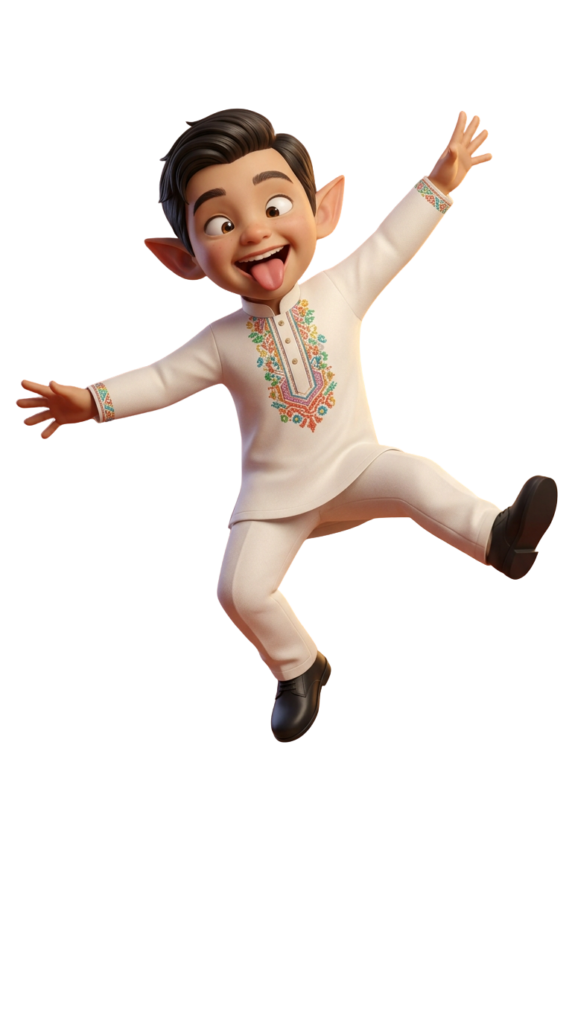
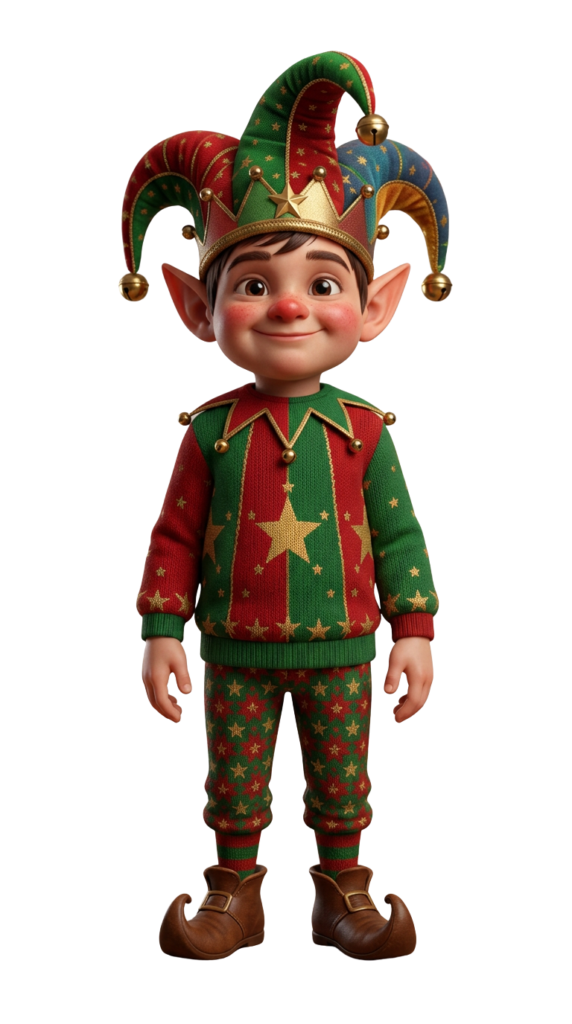
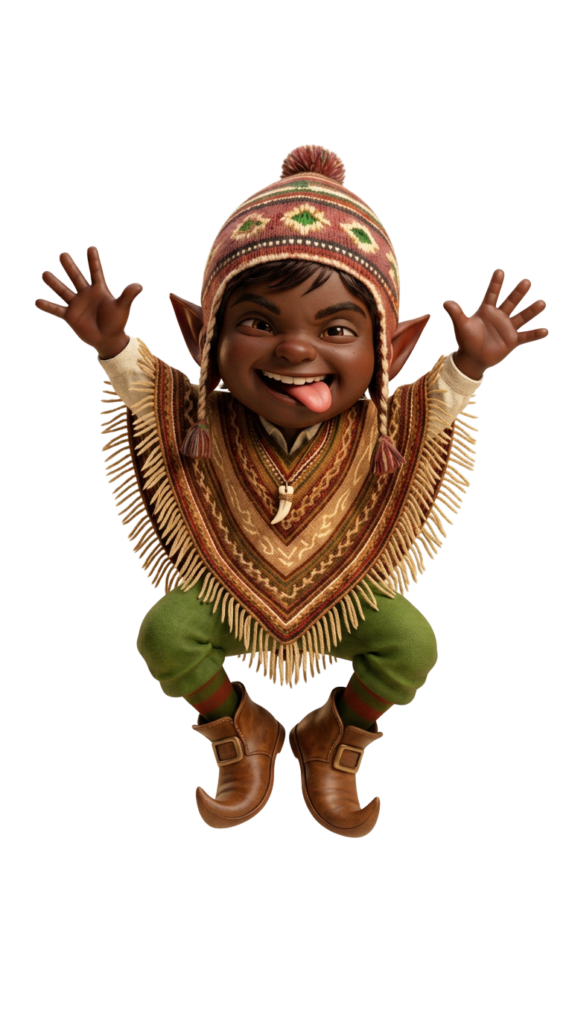
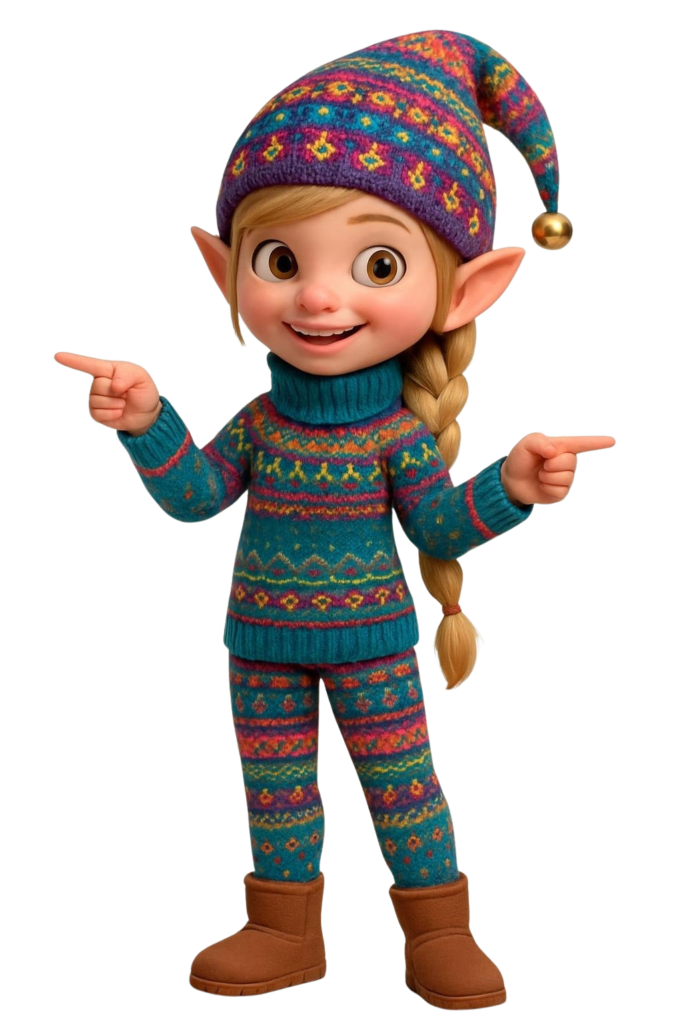
Elves look a lot like regular kids. Same height, same sense of humor, same ability to eat an embarrassing amount of pizza. The differences are subtle — slightly pointed ears, a certain sparkle in their eyes, and a strange tendency to feel most alive when they’re helping someone, building something, or exploring somewhere new.
Elves are born all over the world. They grow up in regular neighborhoods, go to regular schools, and mostly blend in — though they often have the nagging feeling that there’s something more out there waiting for them. There is.
The Invitation
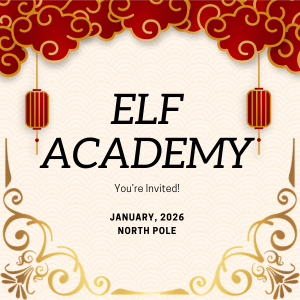
Each year, exactly twenty new elves turn the right age to begin their training. When the time comes, they each receive a letter. Not an email. Not a text. A real letter, sealed in shimmering silver wax, smelling faintly of pine trees and peppermint, addressed in handwriting so perfect it almost doesn’t look real.
The letter is always signed the same way: Miss A. Inkwell, Head Instructor, Elf Academy, North Pole.
No one applies to Elf Academy. No one competes for a spot. The Academy simply knows when you’re ready — and when it does, it finds you, no matter where in the world you are.

Elf Academy
Elf Academy is not like any school you’ve ever heard of.
There are no standardized tests. No assigned seating (though somehow everyone always ends up in the same seat anyway). No homework — or rather, the homework might be visiting a reindeer ranch at sunrise, taste-testing seventeen kinds of hot cocoa, or navigating a snowstorm by starlight. It depends on the week.
Students come from all over the world and arrive at the North Pole for the first time wide-eyed and a little nervous. By the end of the first week, they’re usually laughing too hard to remember why they were nervous in the first place.
Classes cover things like North Pole history, reindeer behavior, the science of snow, mapmaking, cooking for a crowd, engineering, languages of the world, and a few subjects that don’t have names yet. Adventures are built into the curriculum — because the Academy believes the best lessons happen when something goes slightly wrong somewhere far from home.
Elvish
Every elf in the world is born with a gift for language. They grow up speaking whatever is spoken around them — English, Hindi, Arabic, Portuguese, Japanese, Swahili, and dozens more. But the moment an elf hears Elvish for the first time, something clicks. It’s like remembering a song you didn’t know you knew.
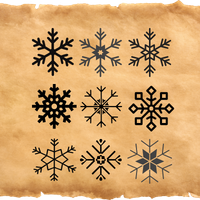
Elvish is the shared language of all elves everywhere. It has no alphabet — it’s written in symbols that look almost like snowflakes, and it sounds like a mix of every language rolled into music. Miss Inkwell says that’s because it wasn’t invented. It grew, the same way elves did, a little bit from everywhere.
At the Academy, all twenty students arrive speaking different languages. Within a week, they’re already mixing Elvish into every conversation. Within a month, it’s how they tell each other secrets.
Elf Paths
One of the first questions new students get asked at the Academy is: What do you think elves do?
Most of them say: Make toys.
Miss Inkwell smiles at this. Then she hands them a list.
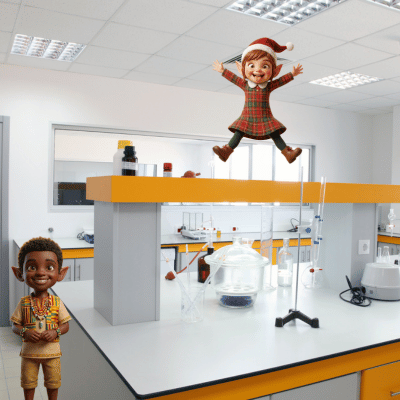
The North Pole runs because of thousands of elves doing thousands of different jobs. Toy designers, yes — but also engineers, pilots, veterinarians (reindeer are more complicated than they look), chefs, meteorologists, cartographers, storytellers, musicians, builders, scientists, and scouts who travel the world year-round making sure the magic reaches every corner of it.
Part of what Elf Academy is for is helping each student figure out which path is theirs. Most of them don’t know yet when they arrive. That’s okay. That’s what the adventures are for.
Each month, the Class of 2026 will explore a different path — and you’ll get to come along.

Miss Inkwell
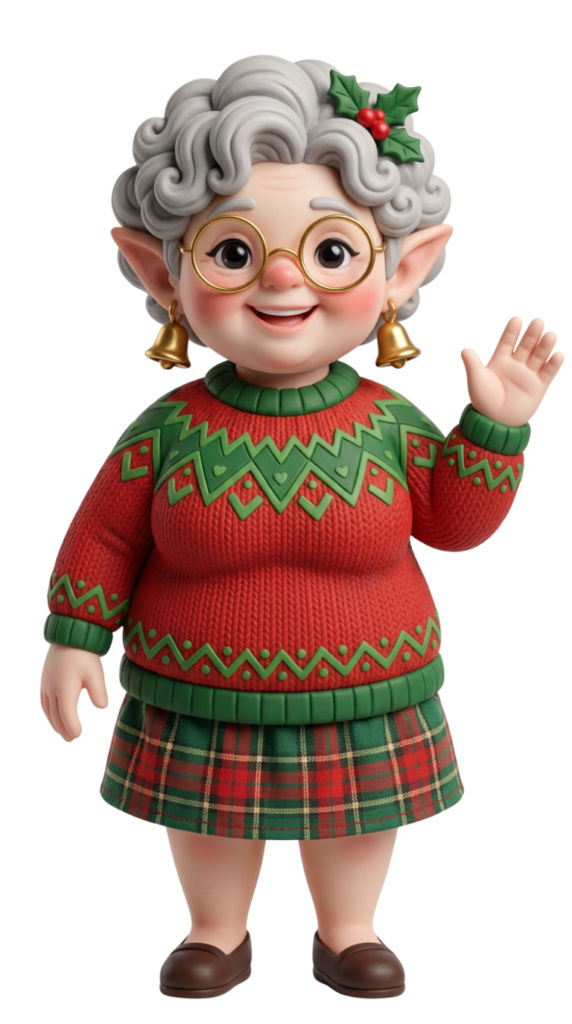
MaryAnn Inkwell has been Head Instructor of Elf Academy longer than most elves can remember. She has ink-stained fingers, a laugh that echoes down hallways, and a desk so covered in maps and letters and curious objects that no one — including her — is entirely sure what’s underneath it all.
She writes every letter sent home from the Academy herself. She says that’s because some things shouldn’t be left to anyone else.
She has a favorite student every year. She also insists she doesn’t. Both things are true somehow.